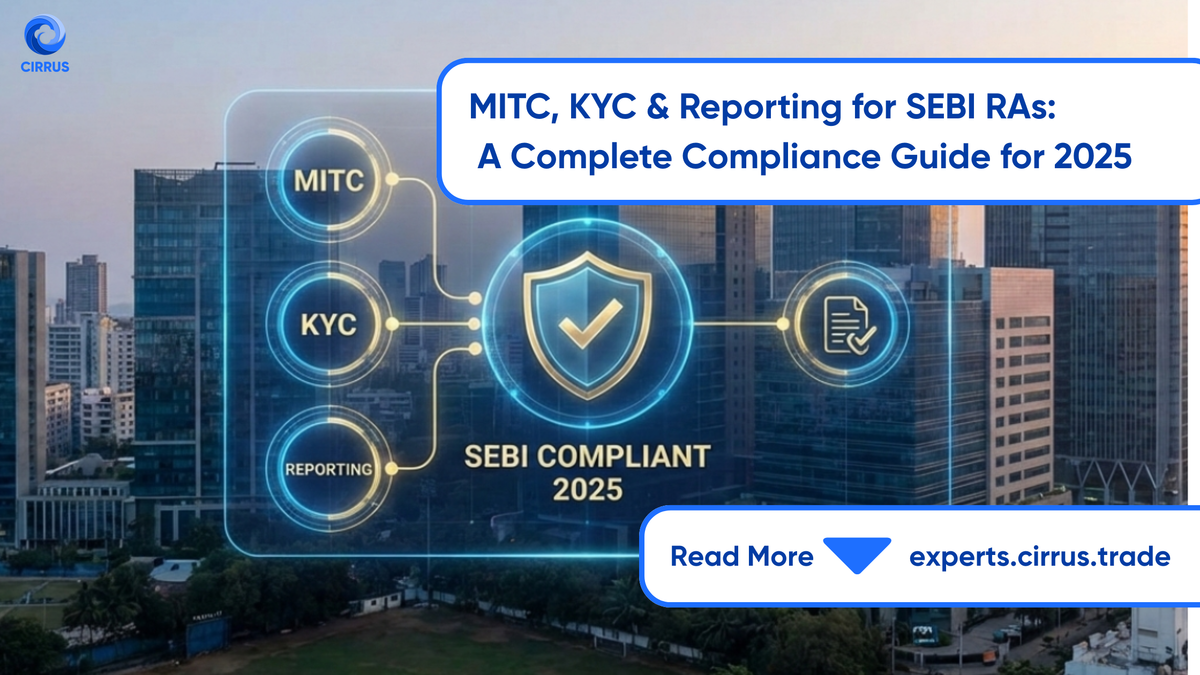
MITC, KYC & Reporting for SEBI RAs: A Complete Compliance Guide for 2025
A “MITC, KYC and SEBI reporting” workflow for Research Analysts is a structured compliance process that captures MITC acceptance, verifies client KYC, and generates SEBI-aligned reports with audit-ready documentation.

Blog by Experts.cirrus.trade
For SEBI-registered Research Analysts, compliance is not a one-time exercise. It is a continuous operational responsibility that runs alongside research, advisory delivery, and client management.
Among all regulatory requirements, three areas consistently create the highest operational load for Research Analysts:
- MITC (Most Important Terms & Conditions)
- Client KYC
- SEBI-aligned reporting
While most RAs understand what needs to be done, the real challenge lies in executing these requirements accurately, consistently, and at scale. In 2025, manual systems will no longer be sufficient.
This guide explains how MITC, KYC, and reporting for SEBI RAs actually work, where traditional workflows fail, and why structured systems and SEBI reporting automation have become essential for compliant and scalable advisory businesses.
Why MITC, KYC & Reporting Matter More Than Ever
India’s advisory ecosystem has evolved significantly. Investor awareness is higher, regulatory scrutiny is tighter, and expectations around documentation and transparency have increased.
For SEBI Research Analysts, this means:
- Compliance records must be complete and retrievable
- Processes must follow consistent formats.
- Documentation must remain audit-ready at all times
- Errors cannot be “corrected later.”
 Team Cirrus
Understanding MITC for SEBI Research Analysts
What does MITC mean in practice?
MITC defines the professional relationship between a Research Analyst and a client. It clearly outlines:
- Scope of advisory services
- Risk disclosures
- Client responsibilities
- Analyst obligations
SEBI regulations require that MITC be accepted before advisory services begin.
Why manual MITC processes fail
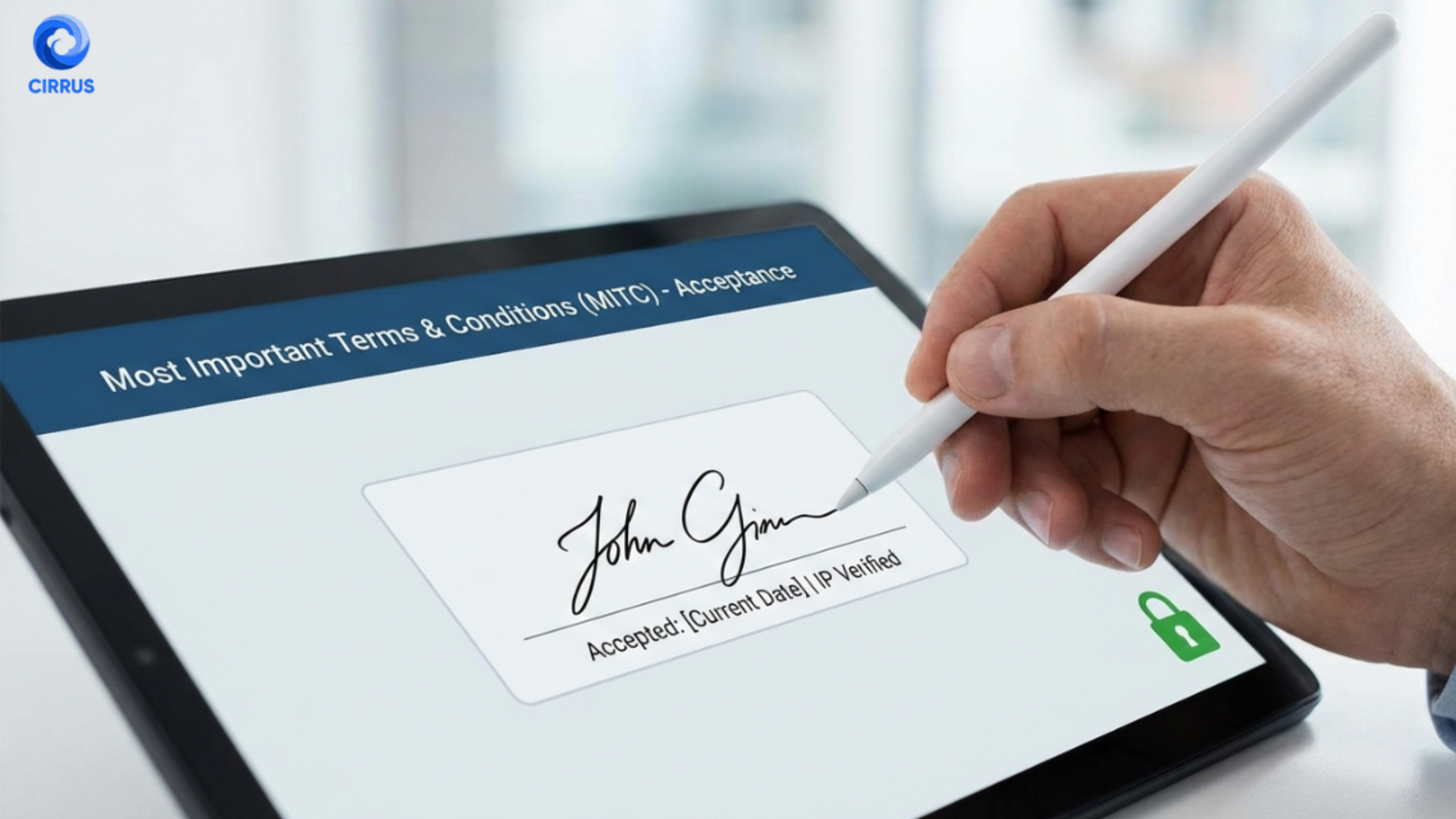
Many RAs still manage MITC using PDFs, emails, or informal confirmations. Over time, this creates gaps such as:
- Missing acknowledgements
- Outdated versions are being used
- No timestamped acceptance records
- Difficulty retrieving documents during audits
As client volumes increase, manual MITC handling becomes one of the largest compliance risks.
This is where MITC automation for Research Analysts becomes essential.
How MITC automation supports compliance
With structured MITC automation, Research Analysts can ensure:
- Standardised documentation across all clients
- Mandatory acceptance before advisory access
- Digitally timestamped records
- Centralised and secure storage
Whether an RA serves 10 clients or 1,000, MITC automation for Research Analysts keeps compliance consistent without increasing operational effort.

KYC for SEBI RAs: Beyond Document Collection
Why KYC creates operational pressure
KYC is not limited to collecting identity proof. It involves:
- Verification
- Secure storage
- Easy retrieval
- Periodic updates
In many advisory setups, KYC documents arrive via WhatsApp, email, cloud drives, or physical copies, leading to fragmentation and inconsistency.
Without structure, KYC becomes increasingly difficult to manage as advisory businesses grow.
Risks of manual KYC workflows
Manual KYC handling results commonly in:
- Missing or incomplete documents
- Inconsistent formats
- Scattered storage locations
- Delays during audits
These risks multiply with scale, making KYC automation for SEBI RAs a necessity rather than an upgrade.
Benefits of KYC automation for SEBI RAs
A structured KYC workflow enables:
- Uniform document collection
- Centralised verification
- Secure and compliant storage
- Faster audit access
By adopting KYC automation for SEBI RAs, Research Analysts reduce operational friction while strengthening compliance discipline.
SEBI Reporting: The Most Underestimated Compliance Requirement
Why does reporting become a bottleneck?
SEBI reporting requires accuracy, consistency, and adherence to prescribed formats. Many RAs rely on spreadsheets and manual compilation, which becomes unsustainable as advisory activity increases.
This is where SEBI reporting automation becomes critical.
Common reporting challenges
Manual reporting often leads to:
- Last-minute data compilation
- Formatting inconsistencies
- Data mismatches
- Increased audit stress
As advisory businesses grow, reporting shifts from routine work to a recurring operational risk.
How SEBI reporting automation helps
With SEBI reporting automation, Research Analysts benefit from:
- Pre-structured reporting formats
- Automated data aggregation
- Faster report generation
- Consistent, audit-ready outputs
This allows RAs to focus on research quality rather than administrative reconciliation.
Why MITC, KYC & Reporting Must Work Together
MITC, KYC, and reporting are often treated as separate tasks. In reality, they are interconnected:
- MITC establishes the advisory framework
- KYC validates the client
- Reporting documents advisory activity
A failure in any one area weakens the entire compliance structure. This is why modern tools for Research Analysts integrate all three into a single workflow.
Why Manual Compliance Fails at Scale
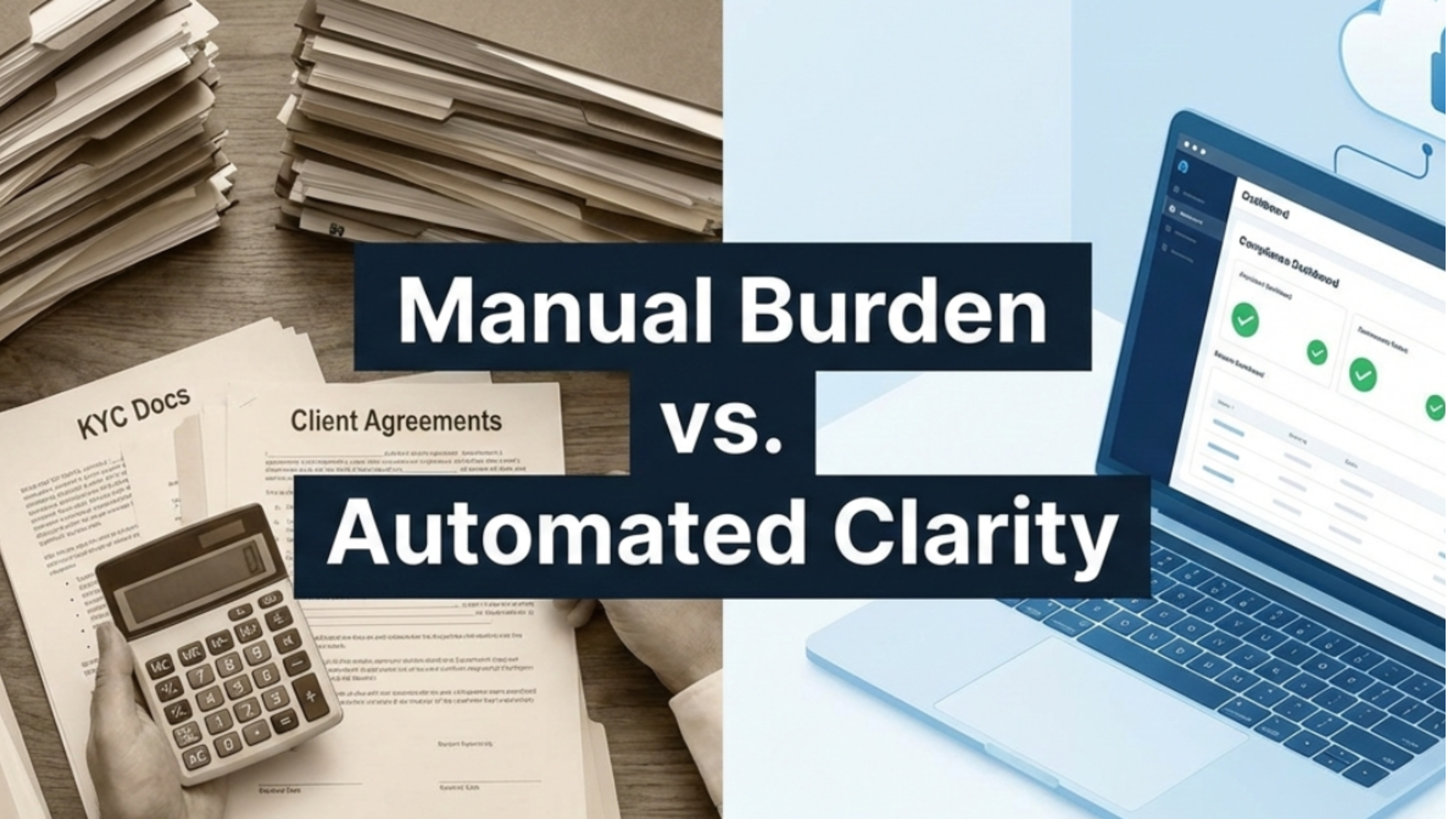
Manual compliance systems rely heavily on memory, manual follow-ups, and individual accuracy. As advisory businesses grow, these dependencies become risk multipliers.
Research Analysts looking to scale advisory business platform in India, RA must move from task-based compliance to process-driven compliance, a shift only possible through automation.
What to Look for in a Compliance-Ready Setup
When evaluating a Research Analyst platform in India, RAs should look for:
- Built-in MITC automation for Research Analysts
- End-to-end KYC automation for SEBI RAs
- Structured SEBI reporting automation
- Audit-ready record storage
- Minimal manual intervention
The right infrastructure simplifies compliance instead of adding layers to it.
Compliance as a Growth Enabler
In 2025, compliance is no longer just about meeting regulatory obligations. It directly impacts:
- Scalability
- Professional credibility
- Investor trust
- Operational stability
 Team Cirrus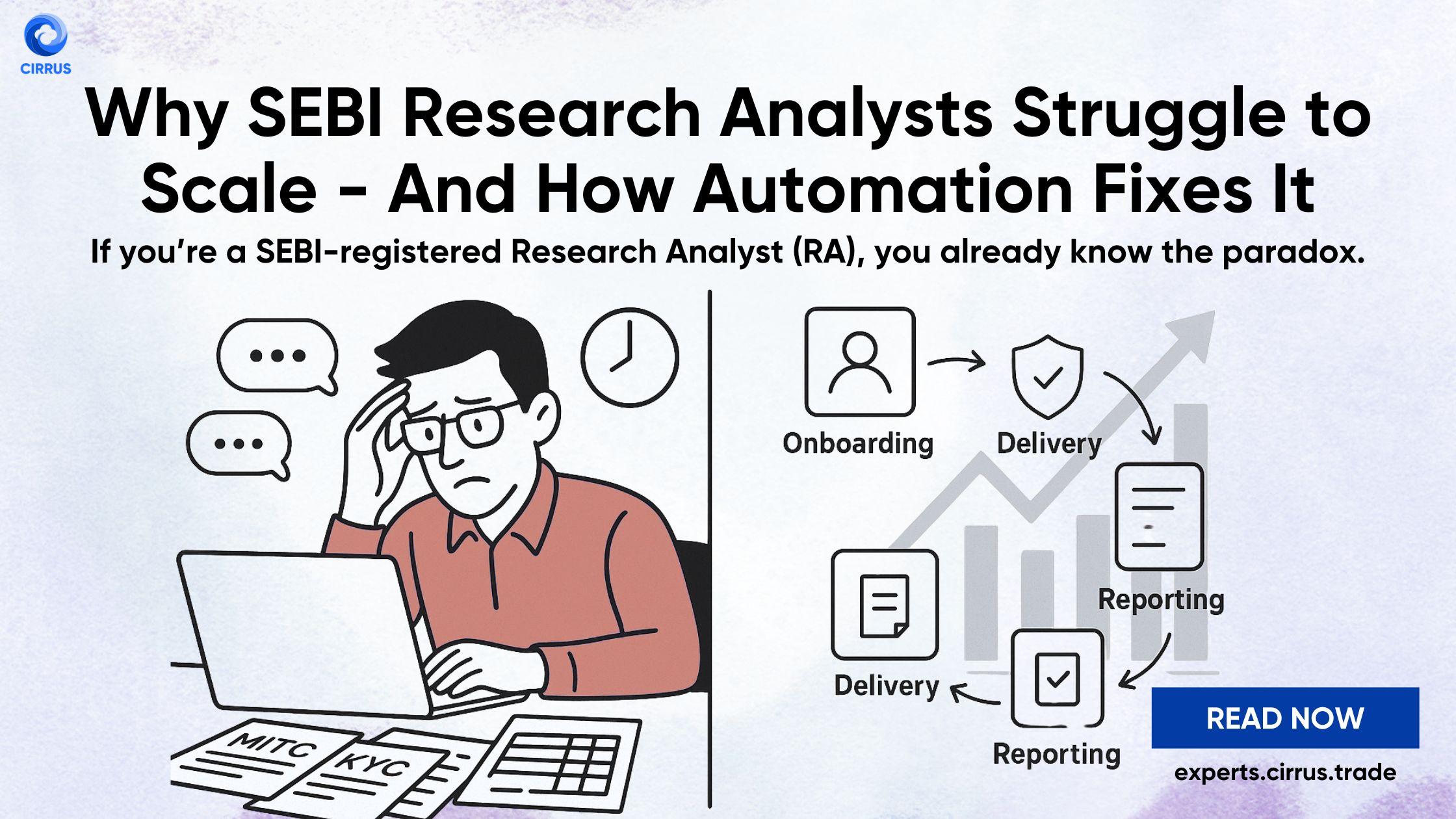
FAQ Pack
Q1. What is MITC for SEBI Research Analysts?
MITC outlines the key terms, scope, and disclosures of RA services and must be accepted before advisory begins.
Q2. Why is KYC important for SEBI RAs?
KYC validates client identity and supports audit readiness through structured documentation.
Q3. What is SEBI reporting automation for RAs?
It is generating consistent, structured SEBI-aligned reports automatically rather than manual spreadsheet compilation.
Q4. How does automation reduce compliance risk for RAs?
Automation standardises MITC, KYC, and reporting workflows, reducing missed steps and improving record retrieval.
Q5. Can compliance automation help scale an RA advisory business? Yes. It keeps compliance effort stable as subscribers increase, supporting scalable operations.

Conclusion
MITC, KYC, and reporting are not side tasks. They form the backbone of a compliant, scalable advisory business.
For SEBI-registered Research Analysts, the question is no longer whether compliance should be automated, but how soon.
Those who implement MITC automation, KYC automation for SEBI RAs, and SEBI reporting automation today will operate with greater clarity, lower risk, and stronger foundations for growth.
Because when compliance runs seamlessly in the background, Research Analysts can focus on what truly matters:
Research. Strategy. Advisory excellence.